Binondo, the oldest Chinatown in the world, prides itself as being a center of our nation’s colorful history. Established in 1594, it is, as one would expect, steeped in legend and stories.
That day’s walking tour (Jose Rizal’s Binondo) led by the country’s popular and social media-savvy historian, Ambeth R. Ocampo, explored what is not commonly known to Filipinos: The Manila in Jose Rizal’s novels takes place outside of Intramuros and is instead set in Binondo and neighboring San Nicolas, Santa Cruz, and Quiapo.
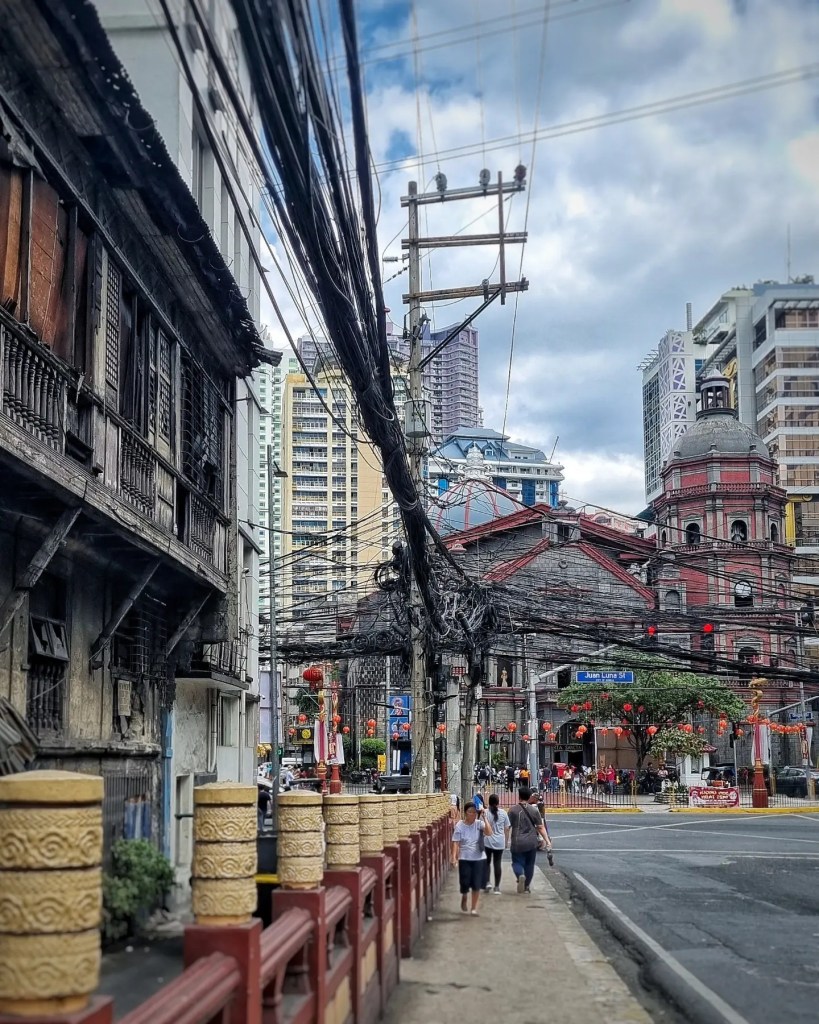
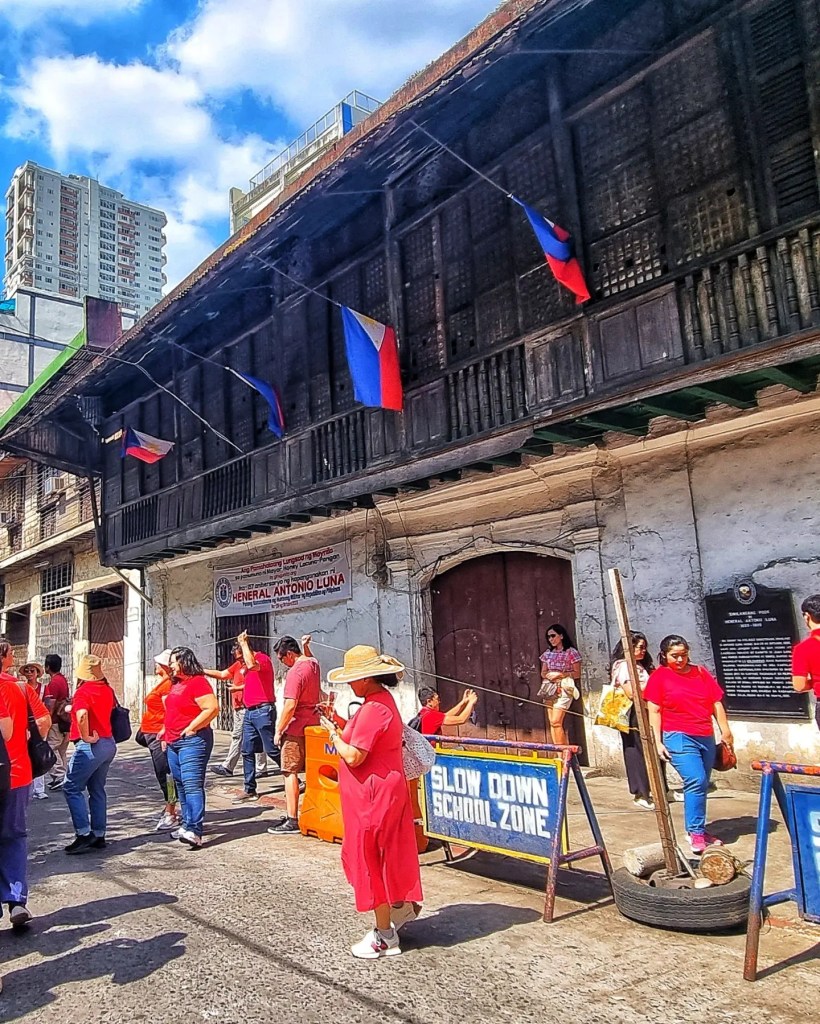
From following the footsteps of Crisostomo Ibarra, the protagonist of Rizal’s novel, Noli Me Tángere; to the site of the opium den where another character from the novel, Kapitan Tiyago, ended up; we walked through Binondo’s tiny alleys (one aptly named Hormiga after the Spanish word for ant), past the birth house of Antonio Luna, the general and chemist who led the Philippine Revolutionary Army during the early stages of the Philippine-American War, and to the many storied nooks of Binondo.
For the book signing scheduled at the end of the tour, after a filling lunch at Ilang-Ilang Restaurant, I brought my copy of Cabinet of Curiosities — Mr. Ocampo’s latest book, which I read last month and which he signed today after confirming if my first name is really Miracle. It was an apt choice because this tour seemed to be a continuation of the book as we witnessed nonverbal proofs of Philippine culture and heritage. History, in the strictest sense, relies on written sources, but Mr. Ocampo highlights this need to trace the past in other ways when the document trail encounters a dead end. “History not only comes from archives and libraries; sometimes it comes from paintings, music and other forms of art,” and oftentimes, cabinets of curiosities. Binondo is a giant cabinet of manifold curiosities.
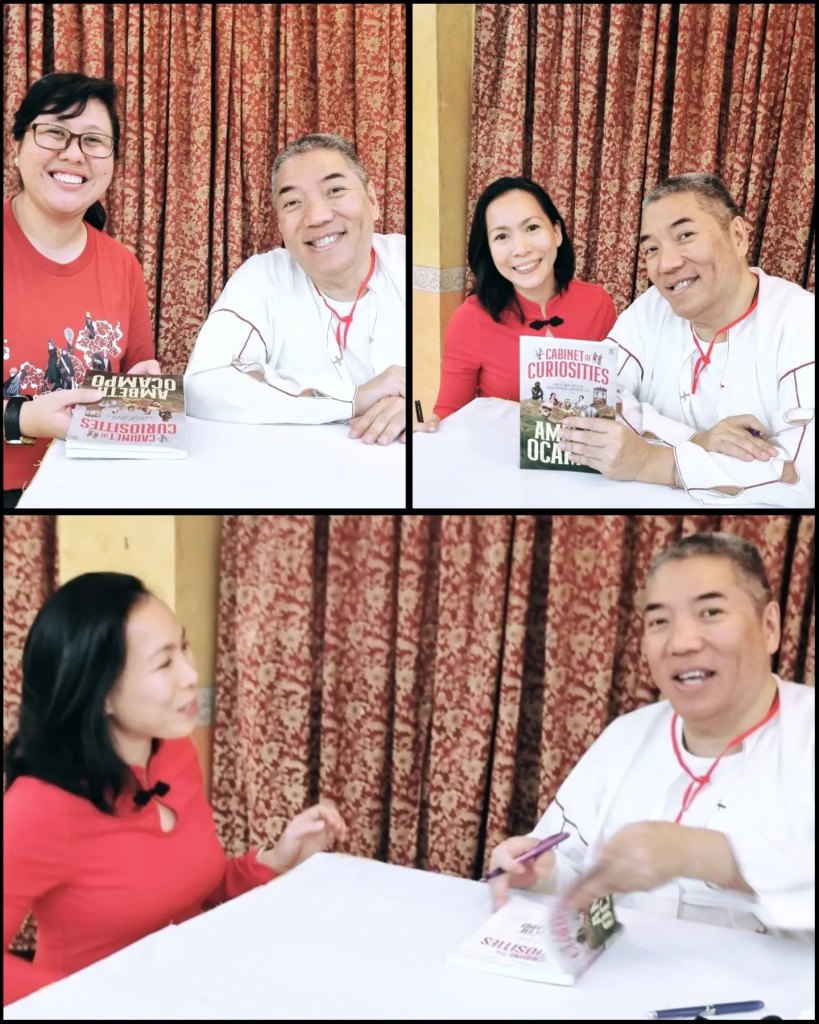
“History is not always what we want or how we imagine it,” is another line that rings true from Cabinet of Curiosities. Not only did I discover lesser-known aspects of Philippine history today, but I also learned about our National Hero’s more human side. What continues to leave a pinch in my heart, however, was Mr. Ocampo’s remark on what would happen if Rizal were alive today. Believing that he would continue to voice out what most of us would not like to hear, “He is someone that we would shoot all over again.”
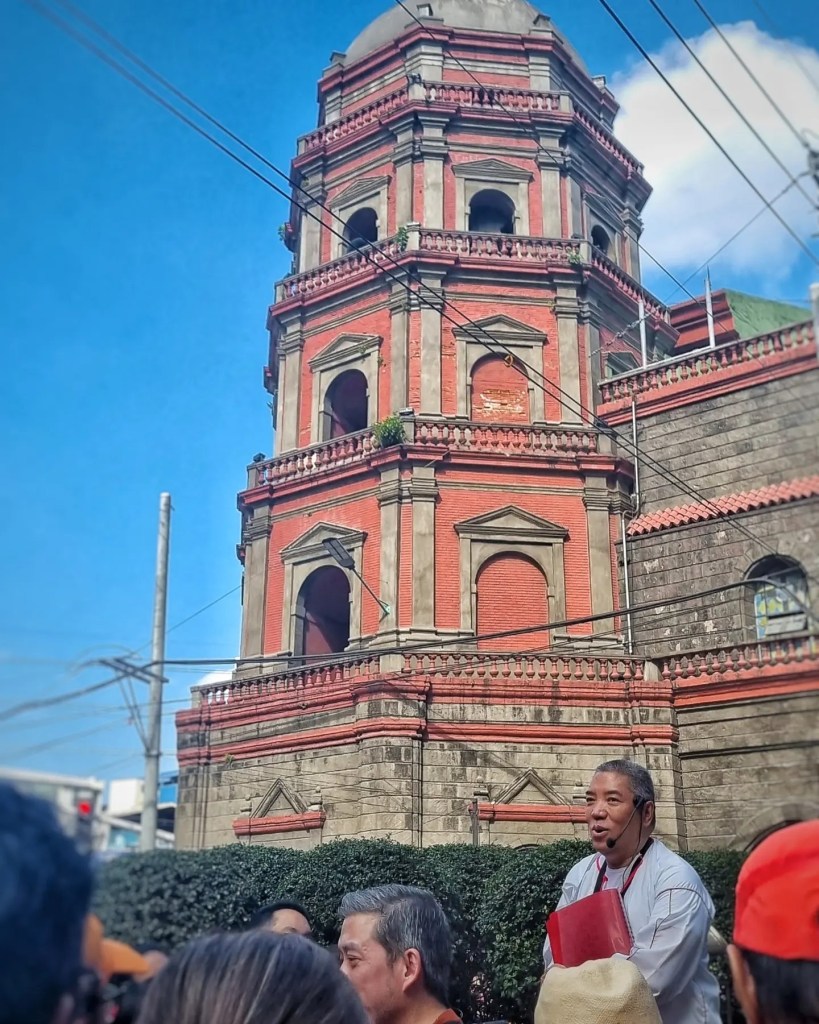
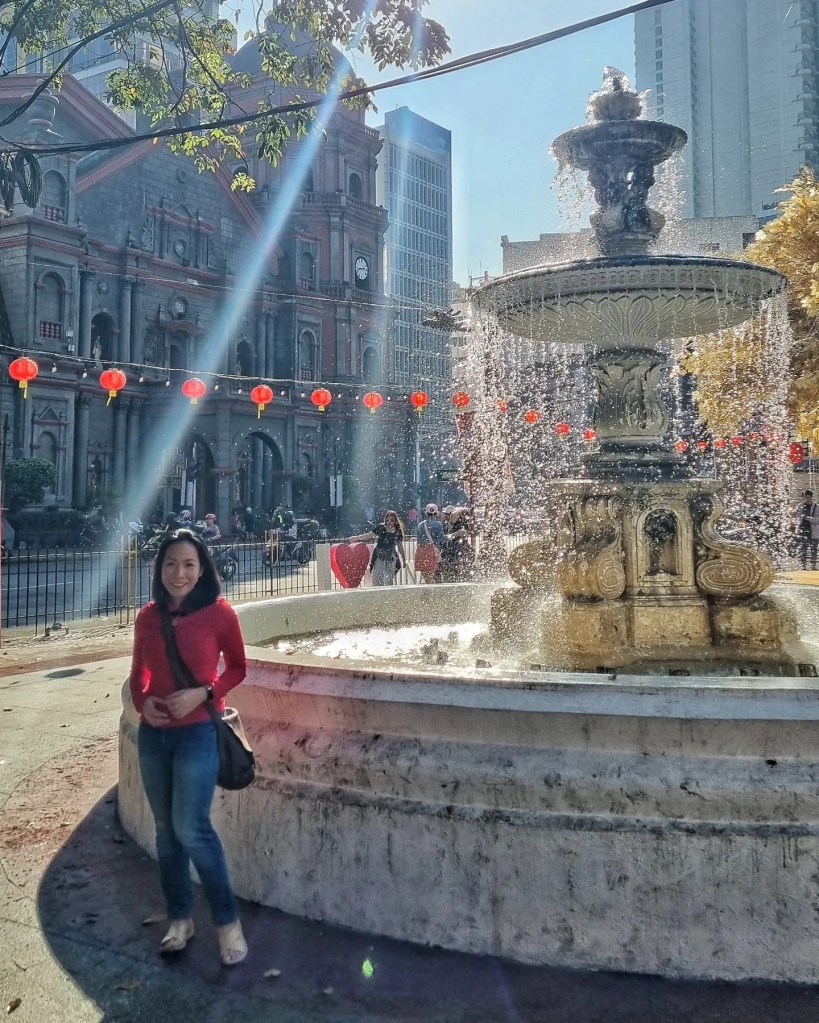
I’m extremely grateful to the friend who thought of me when a slot for the tour became available. Being both early birds, we arrived at the Binondo Church an hour before everyone else and we took shade under four hundred years of history. Built in 1596, its original structure has gone through typhoons, the great earthquake of 1863, and the destruction of the Second World War. Reconstructed in recent years, it remains the centerpiece of Binondo. And there we were, two history fangirls, whispering about politics, religion, and life, hushed by the weight of our national history and our personal histories, learning that these difficult topics should not necessarily be avoided, but be discussed with utmost respect and humility. Moreover, it was meaningful to share this experience with someone who understands that one of the best things about learning our history is that you meet pieces of your heritage, you meet pieces of yourself.
~ ~ ~ ~ ABOUT THE AUTHOR ~ ~ ~
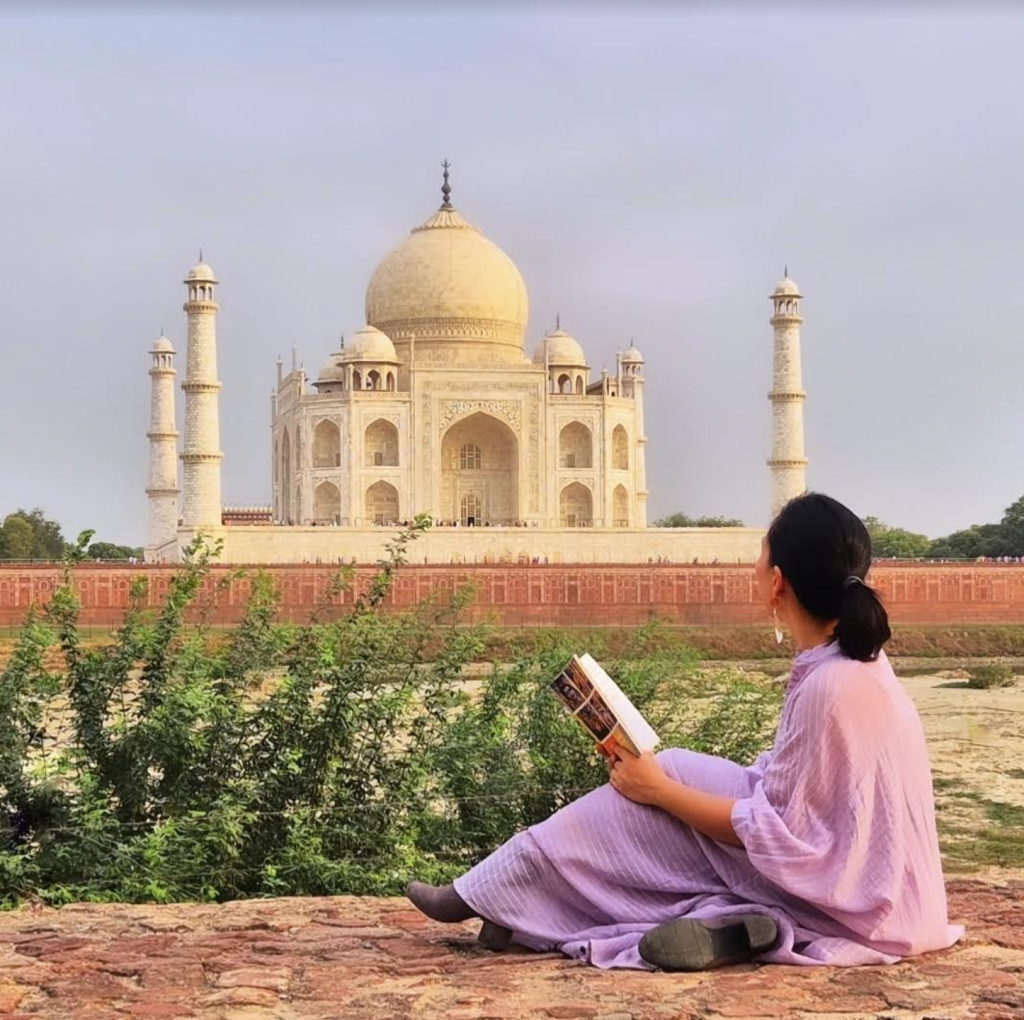
Miracle Romano is a book-butterfly who flies off to places influenced by her literary choices and reads books influenced by her travels. She is a pianist, a music teacher, and a former columnist for the Mindanao Observer who juggles her time between two passions — words and music. More of her writing can be found here.
 Ex Libris Philippines