“It is in the everyday experiences of ordinary women that we find true history – the texture of our nation as lived, felt, and dreamed,” writes Zea Asis, one of the contributors to this book about women “navigating a world ablaze.”
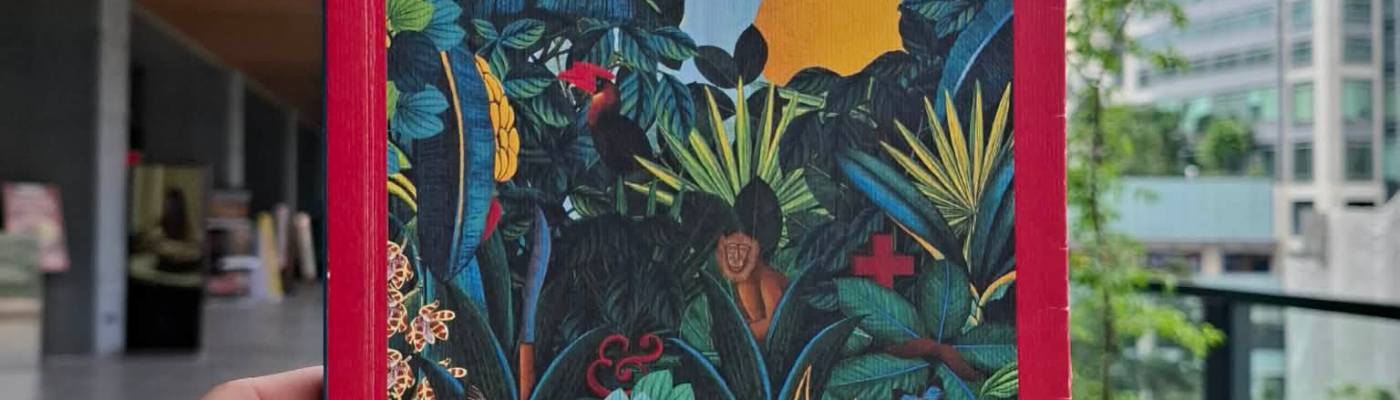
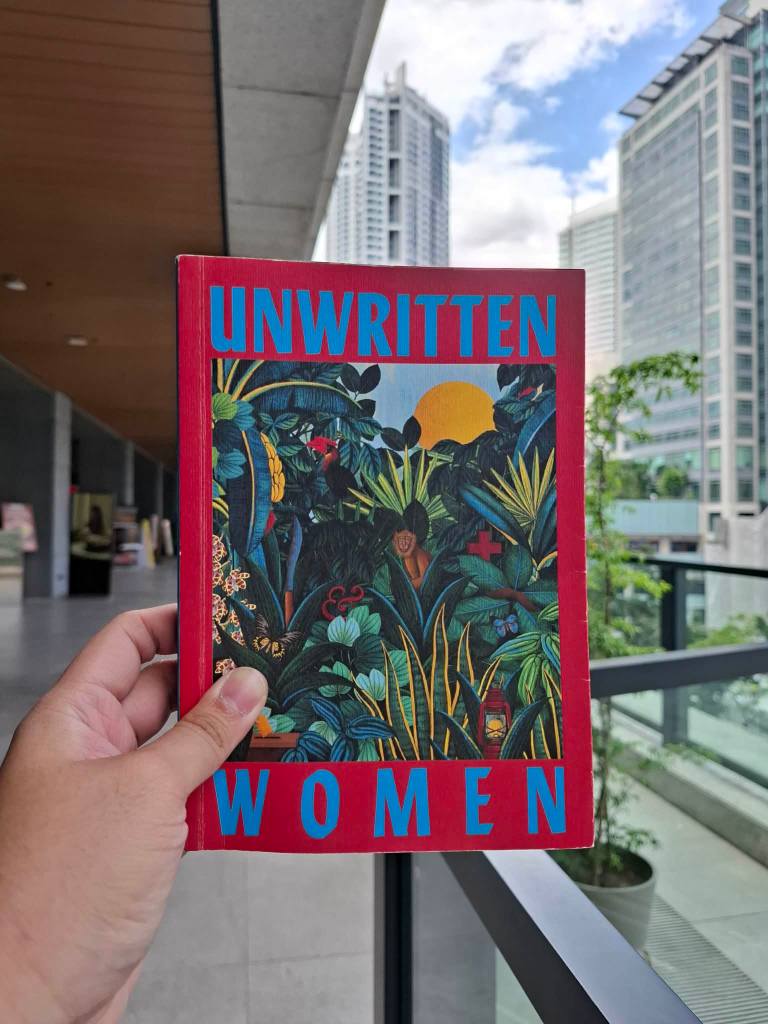
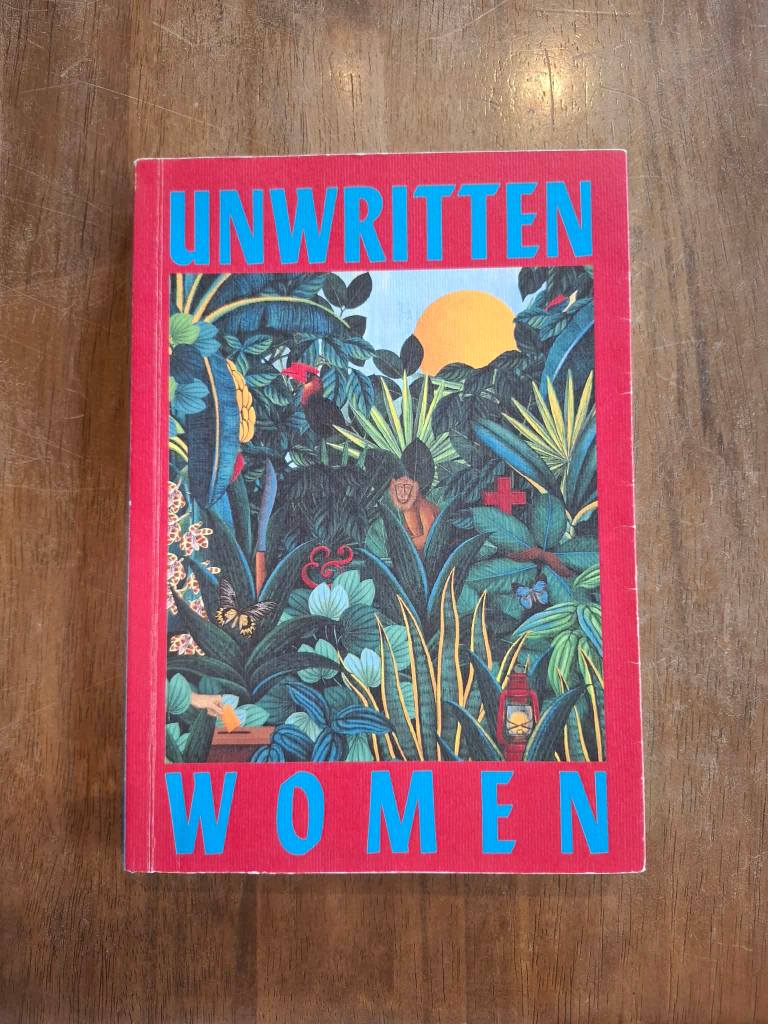
There is much that makes this book special. The cover alone is a clever metaphor inviting us to look deeper. Raxenne Maniquiz’s stunning artwork shows a tropical jungle, with eight symbols hiding in plain sight (one for each of the heroines whose stories fill the pages). These eight women’s stories were penned by mostly women authors, whose research was helmed by historian Ambeth Ocampo. It is the latest publication by Good Intentions Books, Inc.
Warriors’ women
Heroes come from heroic mothers, and their life’s work is made possible by equally brave wives. Andres Bonifacio’s spouse is the focus of the first story. That the muse of the Katipunan has been featured only last year in both musical theatre (Tanghalang Pilipino’s Gregoria Lakambini) and film (Pelikulove’s Lakambini: Gregoria de Jesus) is a testament to our fascination with the woman who survived so much, and lived to write of it. “She herself is history,” notes Kristine Fonacier.
Yvette Tan follows with the mother of our national hero, Jose Rizal. Arguably the most famous of the eight women, she who was the flame that sparked Rizal’s genius is well known in legend. Of all the women in Rizal’s epic life, Teodora Alonso reigned supreme, and Tan shows why. Her struggles were the fodder for the novels that bred revolution and birthed a nation.
Dames and dawn’s light
Aurora, wife to President Manuel Quezon, was so well-loved that her assassination by Huks in 1949 was considered a national disaster. Zea Asis’ chapter is penned in perhaps the most literary style found in the book, describing the former First Lady as a blend between “the transpacific coed and Maria Clara,” a bridge between a future under America’s shadow and the past Spanish shade. That Filipinas were allowed to vote in 1937 is attributed to her influence.
Mia Concio follows with the story of yet another Aurora, mother to Ninoy Aquino and grandmother to President Benigno “Noynoy” Aquino, head of a clan that also includes a senator and a mayor: public servants in the true sense of the word.
Battlefield beauties
Readers will also learn about Rosa Sevilla Alvero, who put up one of the earliest schools for ladies, and Maria Y. Orosa, the food chemist educated in the States who selflessly returned to help feed her countrymen during wartime.
The most romantic figure was Carmen Rosales, the film idol who donned a mustache and helped the Hukbalahap guerillas fight the Japanese. Her wartime exploits inspired a barrio in her home region of Rosales, Pangasinan, to be named “Carmen” in her honor.
Uncovering Truth
Mookie Katigbak-Lacuesta’s chapter on Letty Jimenez-Magsanoc, former editor of the Philippine Daily Inquirer and symbol of the writer’s resistance against tyranny, was a fitting way to close the book. It reminds us of the brand of bravery we so badly need today: the dire need for truth-tellers to call out corruption wherever they see it, the hope that written words will move enough hearts and minds to change a nation.
Sometimes a book comes along that one recommends unreservedly to all. This book is one of them. Accessible in tone, and only a little over 200 pages in length, it is a welcome addition to any school or home library.
Ambeth Ocampo, in his talk during the launch, spoke of how history is less of a mirror than a spotlight. In this way, this retelling of Philippine history (through the eyes of the Filipinas who helped shape it) is curation with a purpose, giving clarity to figures overlooked yet never outperformed.
[The reviewer received a copy of UNWRITTEN WOMEN for review. It retails for P880.00 on their website and brick-and-mortar store, and is also available thru Lazada.]
ABOUT THE REVIEWER:
Gabi Francisco is a classically trained soprano who now performs in the English / Music / Drama classroom. On weekends she soaks in as much art and literature as she can, so she can pass her love for the arts on to her students. She passionately believes in the transformative role of arts education in nation-building. (IG: teacher.gabi.reads )
 Ex Libris Philippines