
“In a way, we were all massacred. Only, some of us were fortunate to have lived through it.”
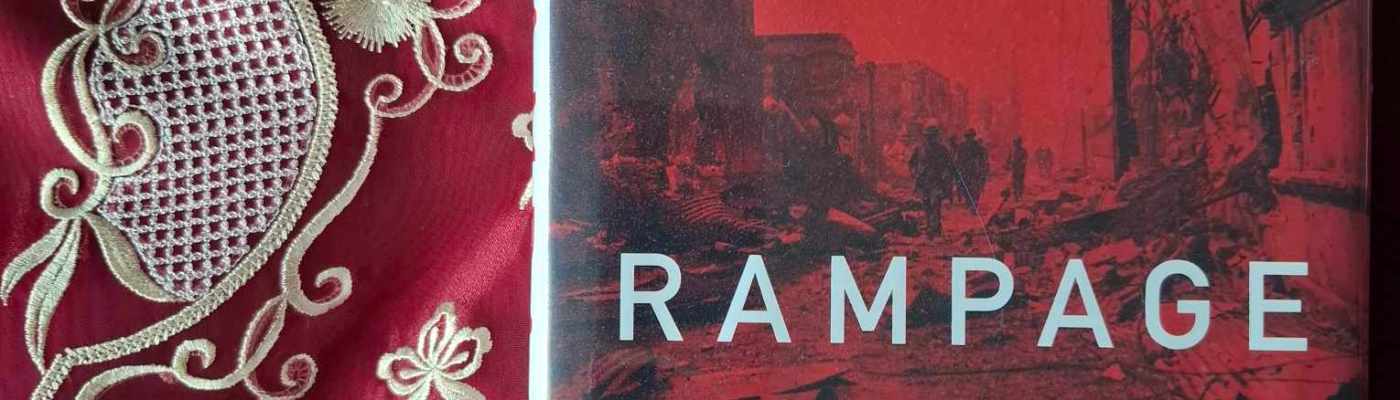
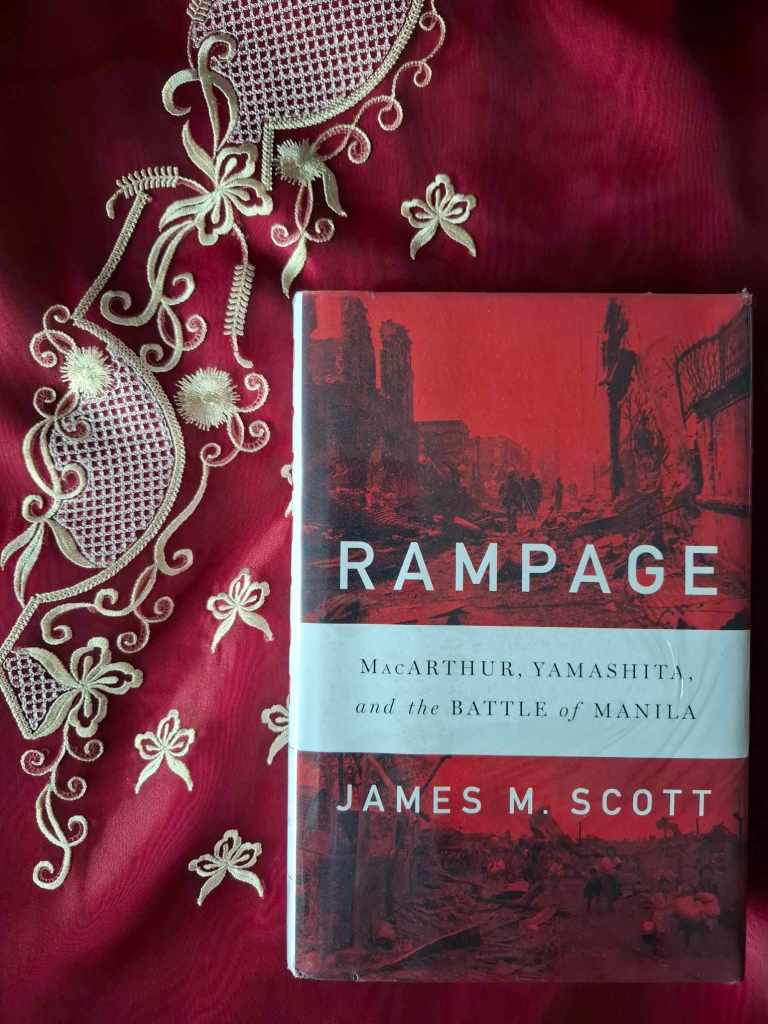
Crimson as arterial blood, the cover of the nonfiction book Rampage : MacArthur, Yamashita, and the Battle of Manila by James M. Scott gives an idea of the extremely graphic violence depicted inside. It’s an unputdownable weighty doorstopper whose heft is matched by its subject: the month-long battle of American forces to retake Manila from the Japanese 80 years ago. Historians agree: the Philippines never recovered from our capital being the second most destroyed city in World War II (Manila is behind only Warsaw). The scars inflicted on soul and soil remain, an invisible poverty of spirit made visible in the informal settler communities that abound a stone’s throw away from today’s main tourist haunts in Intramuros. For proof, all one need do is walk down the cobblestoned streets of this centuries-old Spanish citadel.
Historian James M. Scott has written an unputdownable history book, searing in its overwhelming detail of the barbaric acts of desperate Japanese bent on killing every man, woman, and child. This reviewer advises that one reads this book nonstop in one sitting, rather than parcel out the pages over a long period of time. Like bitter medicine best drunk quickly, this painful retelling weaves together primary sources into one clear narrative. It is only now that the chronological order of the battle became crystal clear to me, although I had known bits and pieces from past history lessons, and a memorable walking tour by the late Carlos Celdran.
Scott’s book is a remarkable blend of scholarly rigor and concise narration that makes the book read like a thriller. He begins with chapters outlining Douglas MacArthur’s and Tomoyuki Yamashita’s backgrounds, and narrates the documented egotism of the American general, as well as the mockery of a legal system that went down during the trial of Yamashita at war’s end.
The greatest part of the book focuses on the stories of the survivors, and the tales of their beloved dead. It is impossible to write down all 100,000 traumatic narratives, and it is chilling how Scott highlights the damning tally of the battle: over a hundred thousand innocent Filipinos died either from the Japanese who went on a killing rampage, or from American artillery that flattened the once glorious city.
One hundred thousand civilians. Compare that number to the 16,000 Japanese soldiers and the 1,000 American casualties of the battle.
The numbers tell the tale of how a thousand civilians died for every American soldier. With full knowledge of the innocents within the walled city, the Americans still unleashed hellish bombardments on the walls to minimize their losses.
To read Scott’s book is to see Manila through the lens of the past. No longer can I pass by the National Museums and the Taft area unaffected; in my mind’s eye I can almost see the fierce fighting that was door-to-door, hear the wailing of the wounded and the screams of the innocent civilians. Ermita, Malate, Binondo, and Intramuros are sanctified by the blood of innocents.
One rifles through the pages of this book with tears welling up at practically every page. And yet it is absolutely necessary reading, in order to keep alive the memory of those who perished, to remember all that we lost so we may all the more cherish the Manila that remains.
~ ~ ~
The reader purchased “Rampage: MacArthur, Yamashita, and the Battle of Manila” from Fully Booked for P1,337.00 before the pandemic.
~ ~ ~
ABOUT THE REVIEWER:
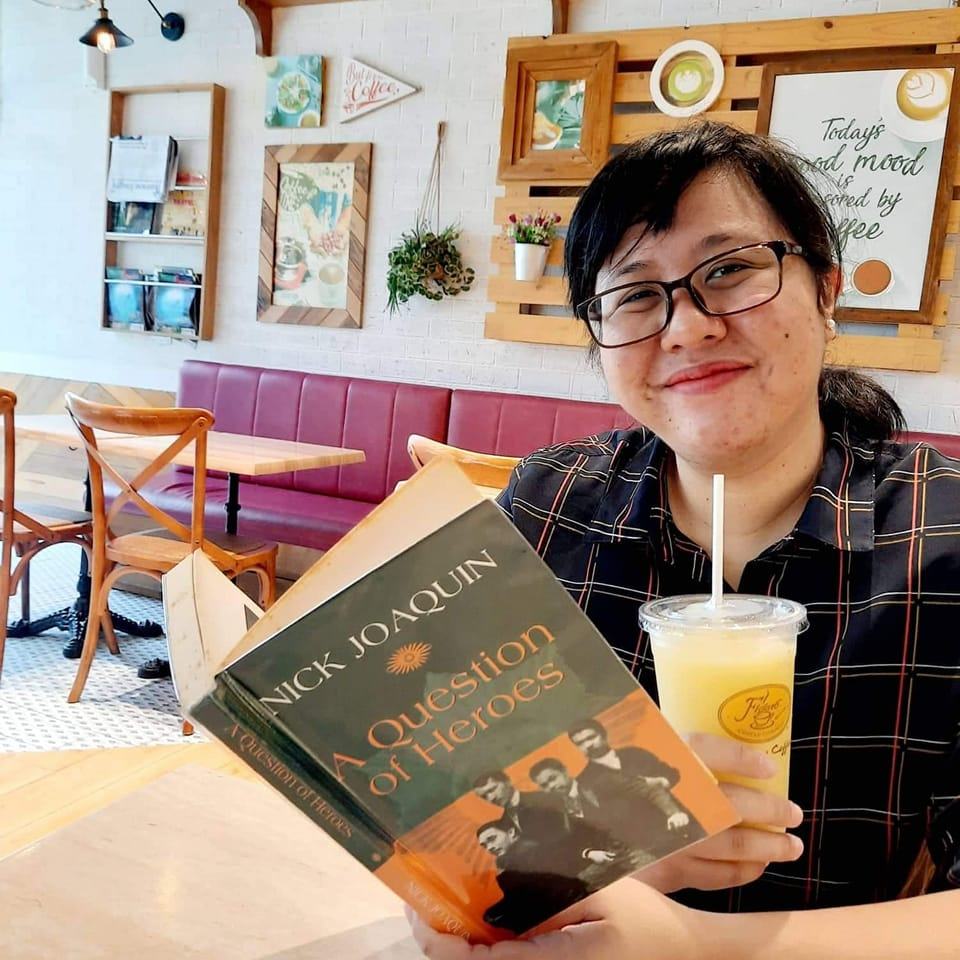
Gabi Francisco is a classically trained soprano who now performs in the English / Music / Drama classroom. On weekends she soaks in as much art and literature as she can, so she can pass her love for the arts on to her students. She passionately believes in the transformative role of arts education in nation-building. (IG: teacher.gabi.reads )

