
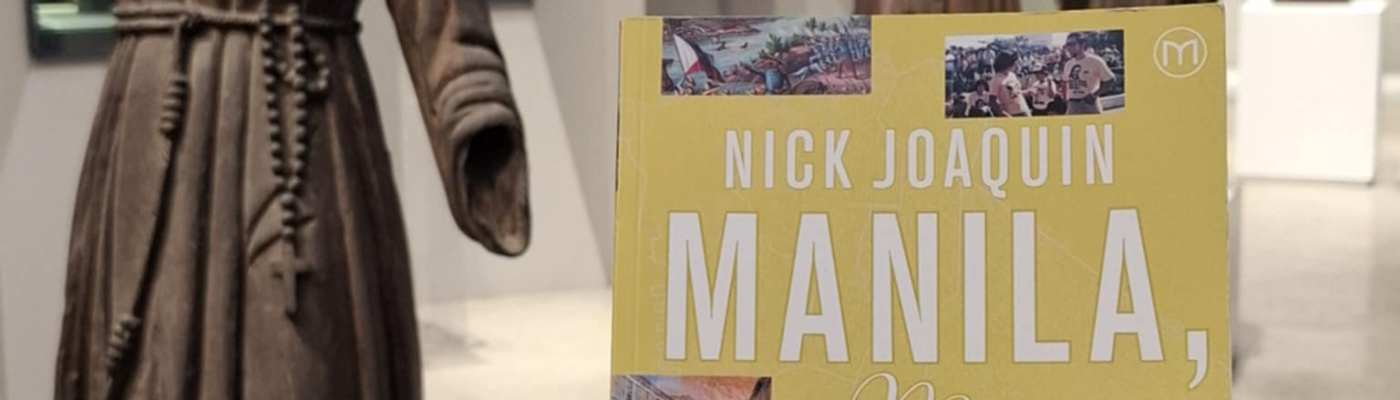
A son of Manila, my late father owned an imposing hardcover brown volume which he treasured and encouraged his teenaged children to read. We used the busyness of youth as an excuse not to when really, we were intimidated by its thickness. The book has mysteriously vanished, to our belated sorrow.
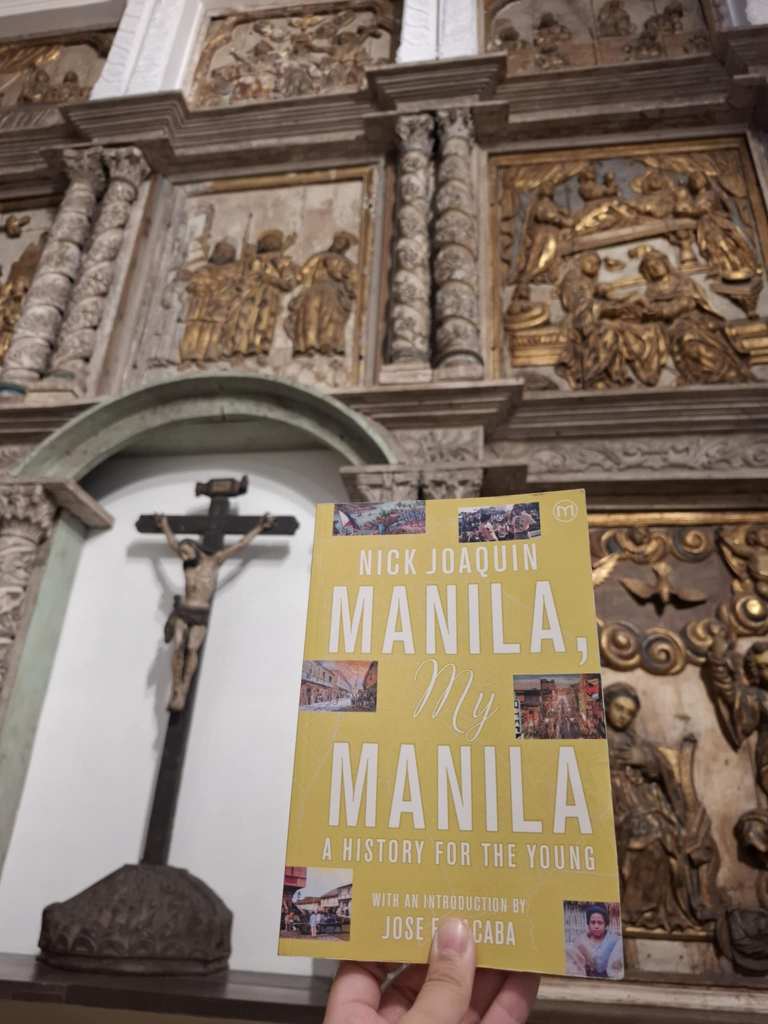
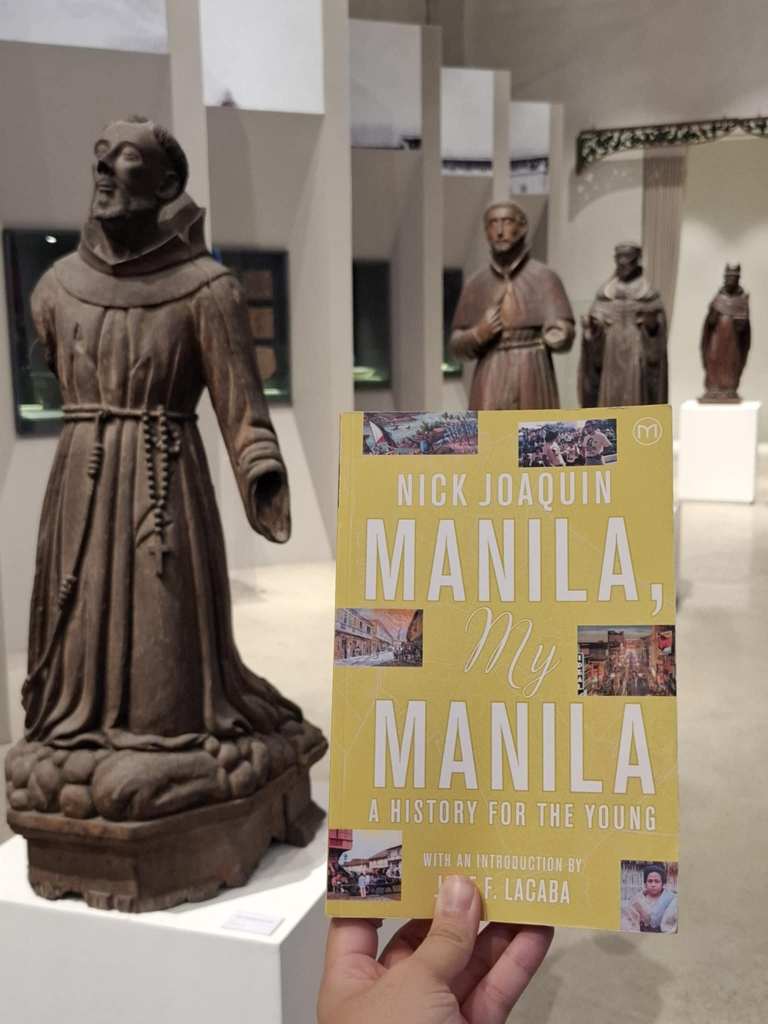
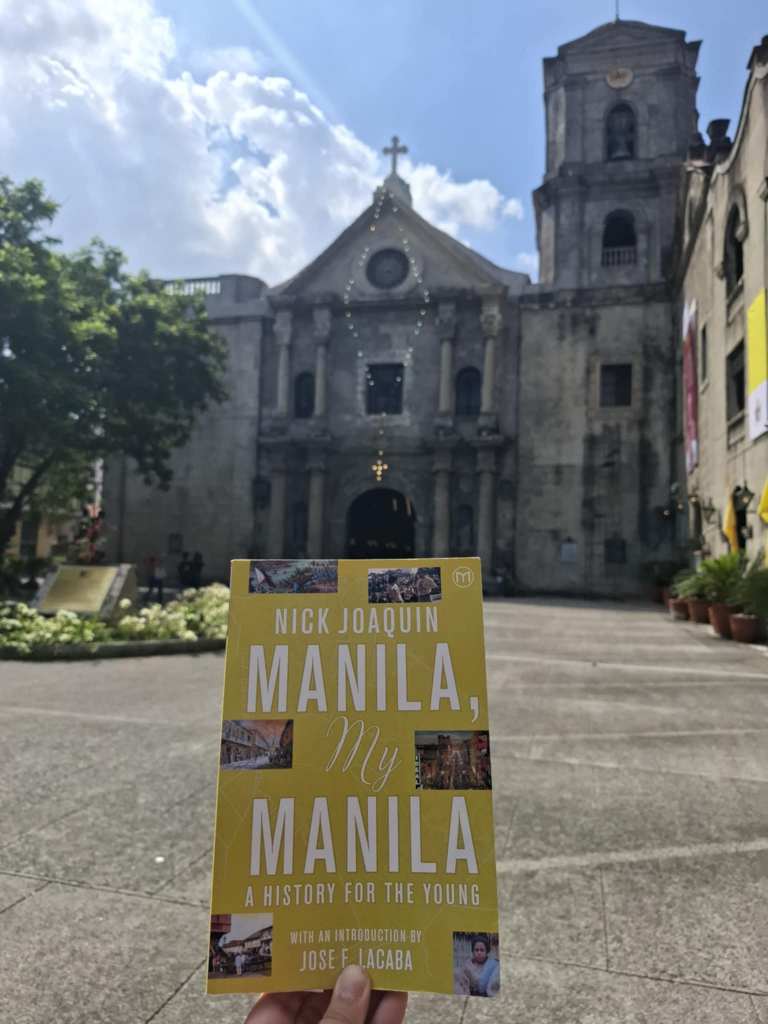
So it was with joy that this reviewer read the new (paperback!) edition published last year. First published in 1990, the old sepia hardbound conjured up nostalgic images of past. In contrast, this new edition’s pear green cover seems to herald new growth.
“When Manila sneezes, the Philippines catches cold.”
The book is a delightful romp through cobblestoned streets that echo with centuries of drama and passion, featuring events in the capital city that eventually shaped the destiny of an entire nation.
One senses Joaquin’s fervor for Hispanic Manila as one reads this landmark classic, a history of his birthplace (and the reviewer’s) that reads almost like a novel. The shining chapters are those that take place in what he refers to as la Manila de mis amores, and what he considers as “the last great creation of Spain in the Philippines.”
Joaquin starts with prehistory, imagining what our ancestors thought and felt as they beheld “the fairest marvel of all: a cluster of islands sparkling in the sunshine like emeralds.” He then describes the early barangays and kingdoms, Lakan Dula and Soliman, and the encounters with the Kastila under Legazpi and the Chinese pirate Limahong. Half of the book details the 333 years under Spanish rule and the revolutions that birthed so many heroes. I was delightfully surprised to read of some stories for the first time, including the most memorable tale of the Novales brothers. How fascinating to read of how the self-styled emperor Andres Novales marched on Fort Santiago, only to have his own brother Antonio deny him entry, loyal to the Peninsular government above his own flesh and blood.
Joaquin next describes the reign of what he calls “the Gringo,” the Americans who bought us from Spain, followed by the Second World War and the Japanese occupation, and the years leading up to Martial Law.
In each period, Joaquin paints a living picture with his words. He makes us hear the songs echoing from the restaurants and bars, and see the fashionable things Manileños did, all the while enumerating the new landmarks that were built around the ever-evolving city.
The result is an impressively concise yet extremely entertaining book that manages to show the reader how the sequence of historical events are woven in meaningful ways. This is story telling in the Nick Joaquin grand fashion: absolutely compelling reading, gloriously baroque turns of phrase, and lessons to draw from each chapter. Joaquin points out the good and the bad for each epoch, such as when he listed both the glories of Mother Spain and the roots of dissatisfaction that led to nationalistic battles for freedom.
Joaquin was a product of his time, and it’s fascinating to read certain phrases of his, that very few contemporary authors would be brave enough pen now: “Carmen Planas and her archrival Josefina Phodaca were the first to leaven the grossness of Philippine politics with yeast of feminine malice.”
All of this adds character to a history book unlike any other. Where else does the author suddenly burst into paroxysms of deep emotion? “Oh, what a vision you must have been to my sires when first you enthralled them to the dew of your dawn: Manila, My Manila!”
Reading the last chapter on the eve of yet another historically significant election offers this reader a strange kind of hope that despite everything history throws at our country, she shall prevail:
“Races and empires and religions have washed over it; the warlike have used thunder to claim it and the city, smiling, has allowed them their foolish moment. Age after age, its lovers have hailed its rebirth or bewailed its perishing, while outside continued the traffic for strange webs with Eastern merchants.
And all this has been but as the sound of lyres and flutes.”
~ ~ ~ ~
[The reviewer purchased “Manila, My Manila” from Milflores Publishing for P699. It is also available on Lazada.]
ABOUT THE REVIEWER:
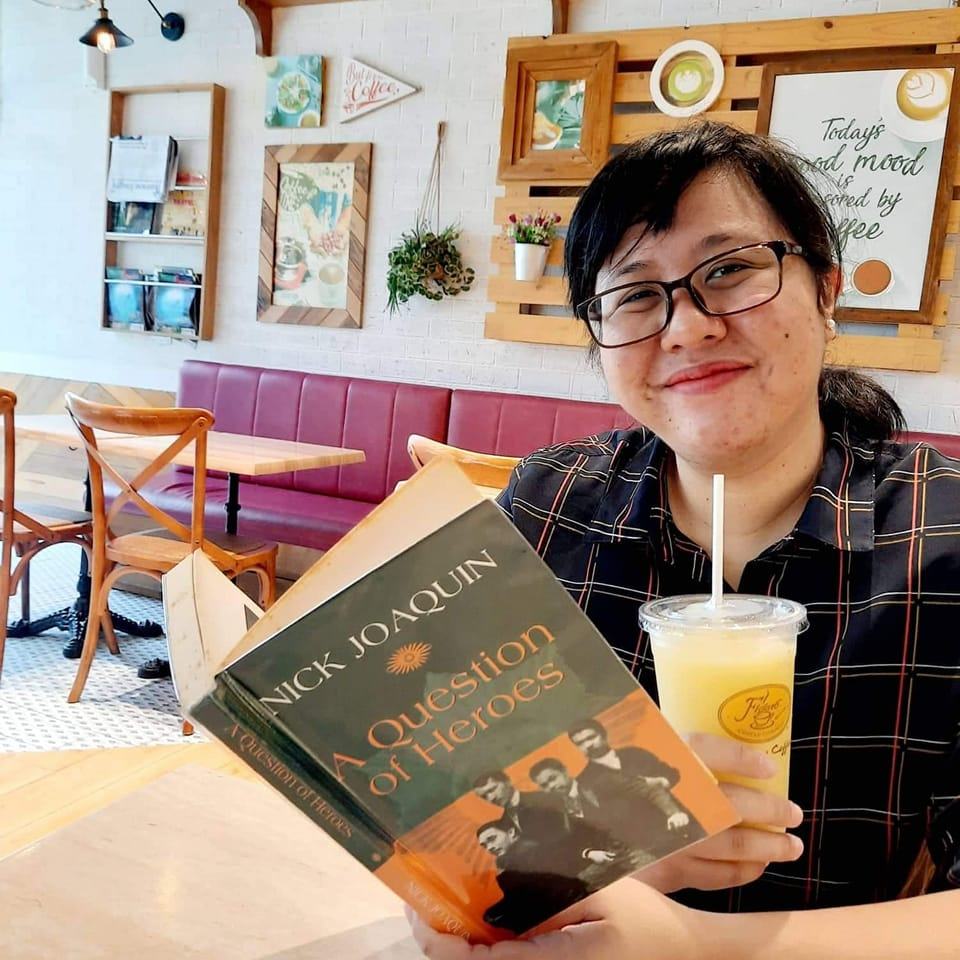
Gabi Francisco is a classically trained soprano who now performs in the English / Music / Drama classroom. On weekends she soaks in as much art and literature as she can, so she can pass her love for the arts on to her students. She passionately believes in the transformative role of arts education in nation-building. (IG: teacher.gabi.reads )
 Ex Libris Philippines
Wow. Your reviews are smooth to read. I aspire to write like you. Kudos!
LikeLike
Thank you so much for your generous words!
LikeLike