
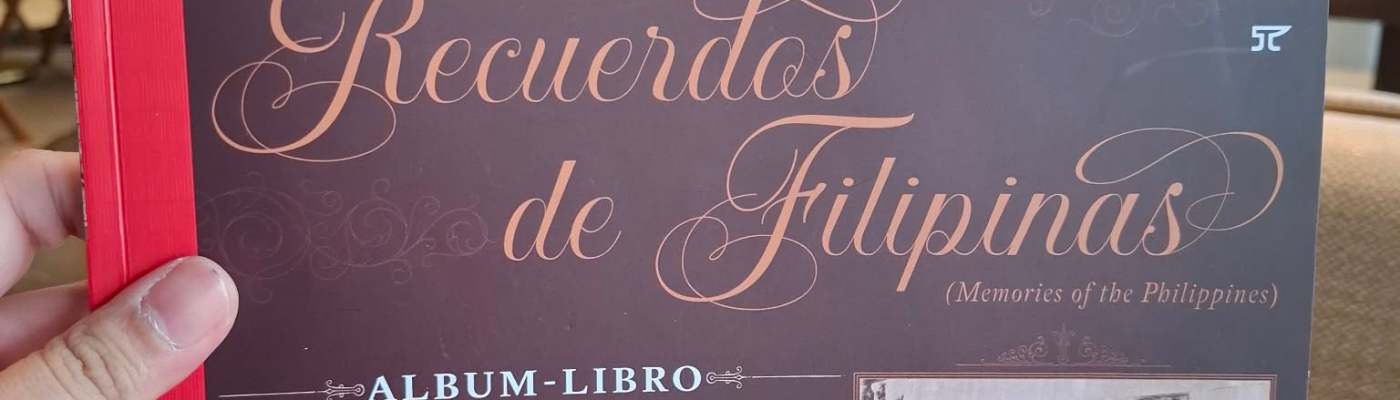
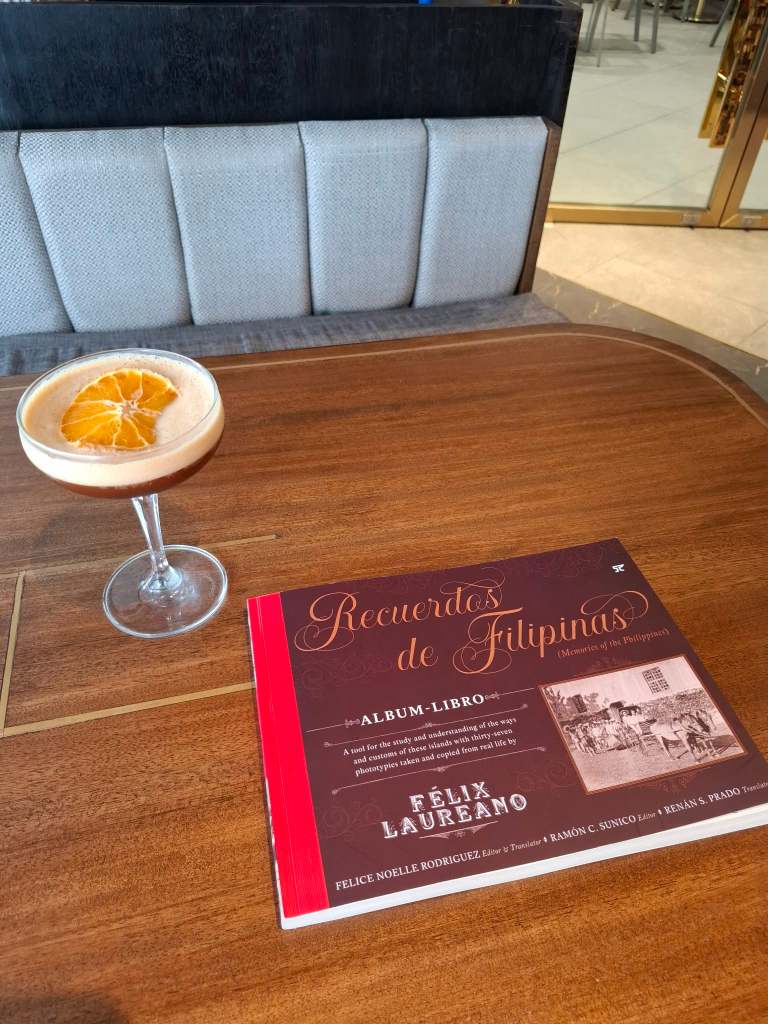
Once upon a time, a wealthy Ilonggo traveled to Europe and put up a photography studio in Barcelona. Born to a Spanish friar and a Filipina businesswoman, Felix Laureano published “the first Filipino photobook” (dedicating it to Juan Luna, his friend) a year before our forefathers’ revolution against Mother Spain.
What Anvil Publishing has done is of vital importance: they have made this absolutely fascinating and important volume accessible to all. Aptly entitled “Memories,” these precious images and accompanying stories keep immortal the sights and stories of the Visayas (primarily of Panay Island – the author’s hometown, with only a few of imperial Intramuros).
Images are never neutral, and narrative is a great revealer. As Felice Noelle Rodriguez states in her foreword, “a colonial gaze moves through the work even as a Filipino holds the camera… to open it now is to watch a self being composed in real time, on the eve of revolution.”
The essays are a mixed bag of prosaic and enraptured poetics, and one can gauge the author’s mood per piece as he swings from fever pitched sighs over mestizas to a list of Bisaya terms and their meanings (usually food or agricultural items for trade, or buildings of note in a town and lists of prominent families who live there). Yet even the most straightforward list- masquerading-as-essay proves interesting because of what they (unintentionally?) reveal, with a century-old glamor cast on accounts of washing clothes, or the differences between bathing at sea or at a river (although a contemporary reader’s eyebrow will be raised at the author’s fondness for taking photos of women at the bath).
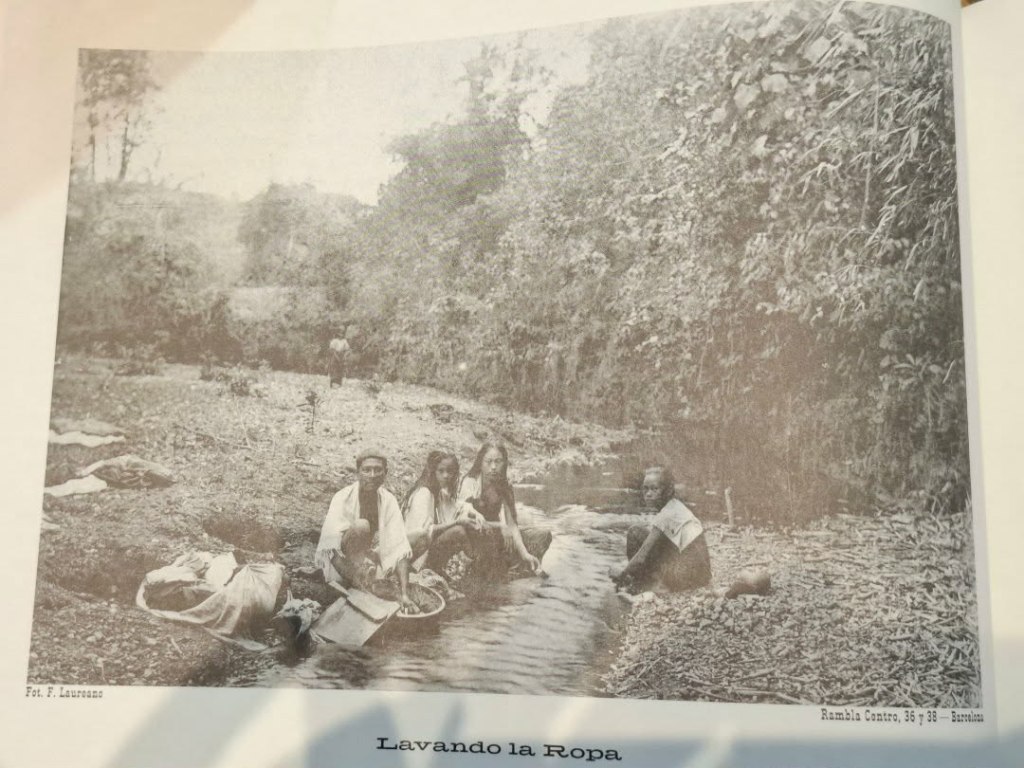
One memorable photo/essay is the one about washing clothes, containing both aspects of the author’s persona: the romantic artist and the efficient businessman.
“Three maidens [dalagas] and a young man [tauo] bleach clothes while seated… the tauo, who, we guess from his movements, is binabayi, agui, has a balutan of dirty clothes near him.
Agui, binabayi is an effeminate.”
And then Laureano’s imagination takes flight, and imagines a whole backstory explaining the business-like attitude of one washerwoman, while the two others “abandon their duties to the care of the effeminate” as they “submit themselves, overwhelmed, to poetic thoughts of love… two yearners who grieve at the absence of their loved ones.”
Reading his caption for the photo of the mestiza is a hilarious lesson on male attitudes of the time: “She looks for, pursues, loves the great; disdains the lowly. She finds trivial things tedious… she is gifted with the instinct of a sublime artist… the mestiza is a treasure of spellbound pilgrims, noble and gallant.”
And then he ends it with a damning sentence: “Boccato di cardinali. [A cardinal’s mouthful (a meal fit for a king).]”
Altogether, let us collectively raise our eyebrows.
There is value in observing one’s reactions to the book. It reveals us to ourselves, and allows us to see how different we are from the educated Filipino male of 1897.
In a time when ancient books are being destroyed after firstly being scanned by AI companies, this book’s importance cannot be overstated. Yes, it is a must-read, but also, it is absolutely delightful! To pore over its pages is to recognize aspects of ourselves both strange and familiar – to see how much we’ve changed over a century and a quarter, and yet in many respects, how similar yet our habits and culture.
~~~
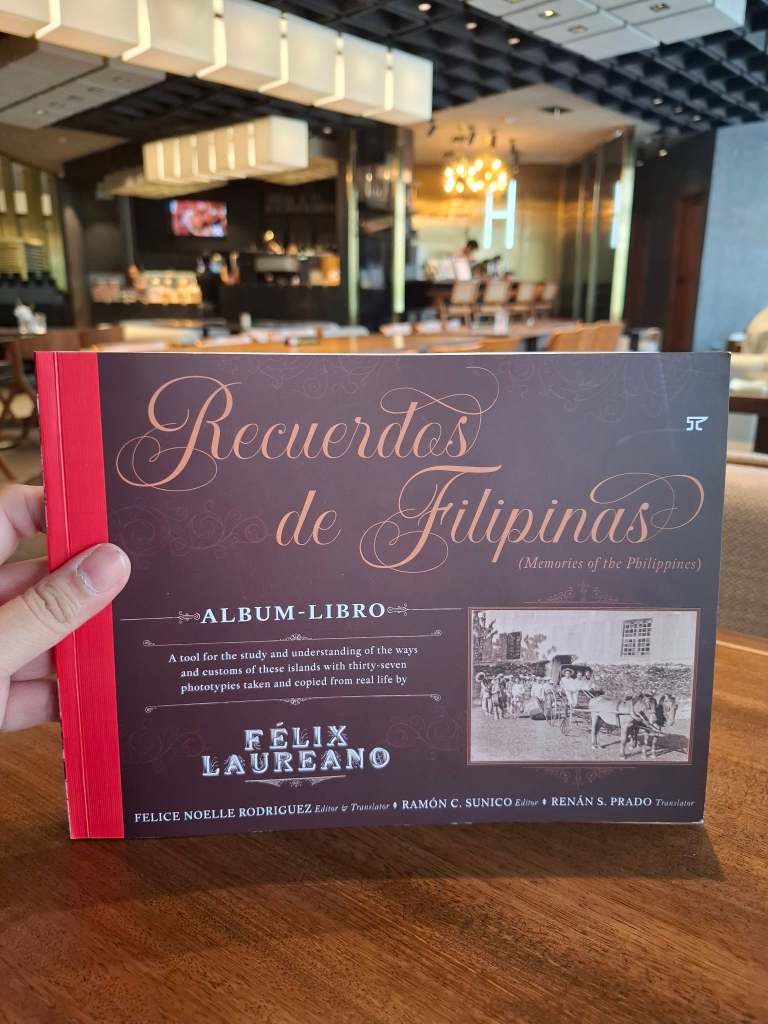
Recuerdos de Filipinas is available for purchase from National Bookstore (specifically the Cubao branch).
~ ~ ~
ABOUT THE READER:
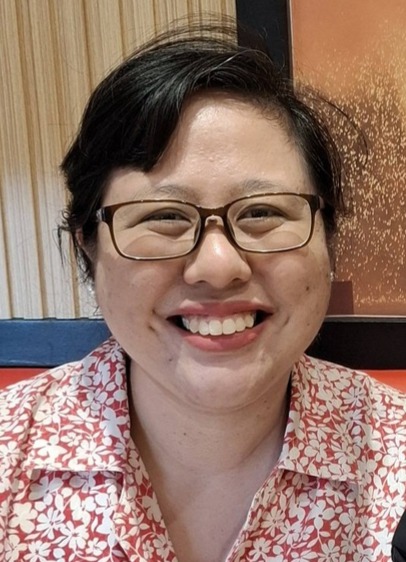
Gabi Francisco is a classically trained soprano who now performs in the English / Music / Drama classroom. On weekends she soaks in as much art and literature as she can, so she can pass her love for the arts on to her students. She passionately believes in the transformative role of arts education in nation-building. (IG: teacher.gabi.reads )

